If there was one article to read on this entire site – it’s this one. Where you’re building makes all the difference in the world in what materials, designs, methods, equipment, etc. you should be choosing. When you look around a ski resort and see complicated roof facets and stucco – you’re witnessing the opposite of what we’re talking about. At the other end of the spectrum – and one we’re aiming to be closer towards – would be earthships.
Geographical (i.e. zone) Considerations
A good first step is to know what climate zone you’re building in. Oversimplified – the zones create a matrix where the x-axis is temperature (hot or cold) and the y-axis is moisture (dry or wet).
Throughout each article we’ll talk more about the specifics – but here’s a list of things that you should immediately begin thinking about.
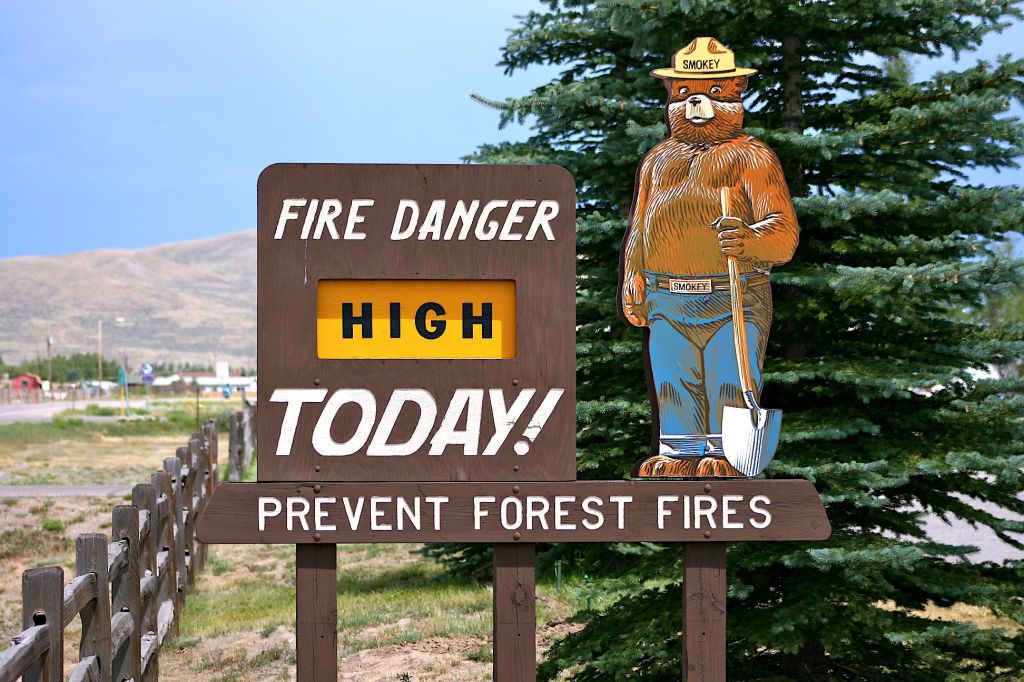
- Build for the climate with special attention to the usual extremes. This is incredibly important in areas that get a lot of snow.
- Consider natural disasters (hurricanes, wildfires, earthquakes) in your area and design for them.
- Pay special attention to the aspects of glazing, driveways, HVAC equipment, and vents; plan for solar gain, prevailing winds, drifting/shedding snow, etc.
- If you’re planning to use solar panels – consider the lot’s ability to harvest energy. You can use this free tool to get an idea of what kind of impact solar can have on your power needs and location.
- The building site and how you’ll get there. Be aware of easements, long or steep driveways, or other reasons it may be hard to build and live there (i.e. clear snow, deliver materials, etc.).
- Exterior surfaces (siding, roof) on battens and/or continuous insulation layer will help prevent thermal bridging (good in hot and cold climates). Those on battens create a very breathable (wet climates) exterior shell that vastly increases the life of exterior surfaces.
- Roof design (facets, pitch, penetrations, overhangs) to match your climate.
- Foundation and drainage specific to your location (tides, flooding, bedrock, etc.).
- HVAC system components optimized for the climate (hot, cold, humid, dry).
Local Jurisdiction Considerations
Rules and Codes
The jurisdiction you’re building in will determine what building codes and local laws will apply to your project. Even if you’re building in an unincorporated, unzoned part of a county – you’ll still be held to state requirements. For example, in Idaho, your electrical, HVAC, plumbing, and septic requirements are all controlled at a state level.
These are an important consideration not just if you’re planning to build a prescriptive home (vs. performance) – but also because it will likely determine how and what utilities are available and required.
Just because you don’t want to dig a well and think a cistern will be just fine – the county (or another jurisdiction) may not agree with you; and thus, won’t issue you a permit to build. And depending on where you’re building – that point alone can easily be a $20k swing in your project costs.
The local jurisdiction will also determine whether you can do any of the work yourself. Some jurisdictions let owners be their own contractors. Some let owners do their own electrical work. Again, there are no blanket rules here and they’re going to vary wildly.
The best way to find out what’s going to apply to your project is to reach out to your city or county planning and building department and ask. Often the building permit application will outline all these requirements too.
CC&Rs and HOAs
Be aware of CC&Rs and HOAs and how they will influence your goals for the build. These kinds of regulations can control everything from color, square footage (minimums and maximums), setbacks, number of buildings, allowed rentals, allowed animals, water usage, and much, much more.
We’ve seen HOAs that required complex roof facets at high-elevation ski towns (and they all leaked) and those that required shake-shingle roofs in wildfire areas (horrible idea). There’s a good chance there will be some compromise – but there will also be things that should be deal breakers and you don’t want to find out about those after the fact.
Utilities and Services
We touched on this a bit already – but there’s a lot more to unpack here. Whether you’re planning to be completely off-grid (if your jurisdiction will allow it) or not – you need to consider your options long before looking at land.
Septic systems and wells are very expensive. Some jurisdictions may already have a sewer in place and will require you to tie in on your own dime – which can also be very expensive. At a minimum, go in knowing how you’ll get power, internet, water, and sewer.
If you’ll be tying into any kind of grid (private well group, power company, etc.) – reach out to them in advance and see what their terms and conditions are to connect. Installing a transformer and running power a few miles can easily run five figures.
Hopefully, that’s illustrative of how these considerations should drive what areas you consider to build in the first place based upon your budget.
 Pretty Good Builder
One response to “Best Place to Have a Cabin”
[…] are a myriad of septic systems out there and local jurisdictions have a lot of say about what types of systems can be installed – and where. Because of that, […]
LikeLike