
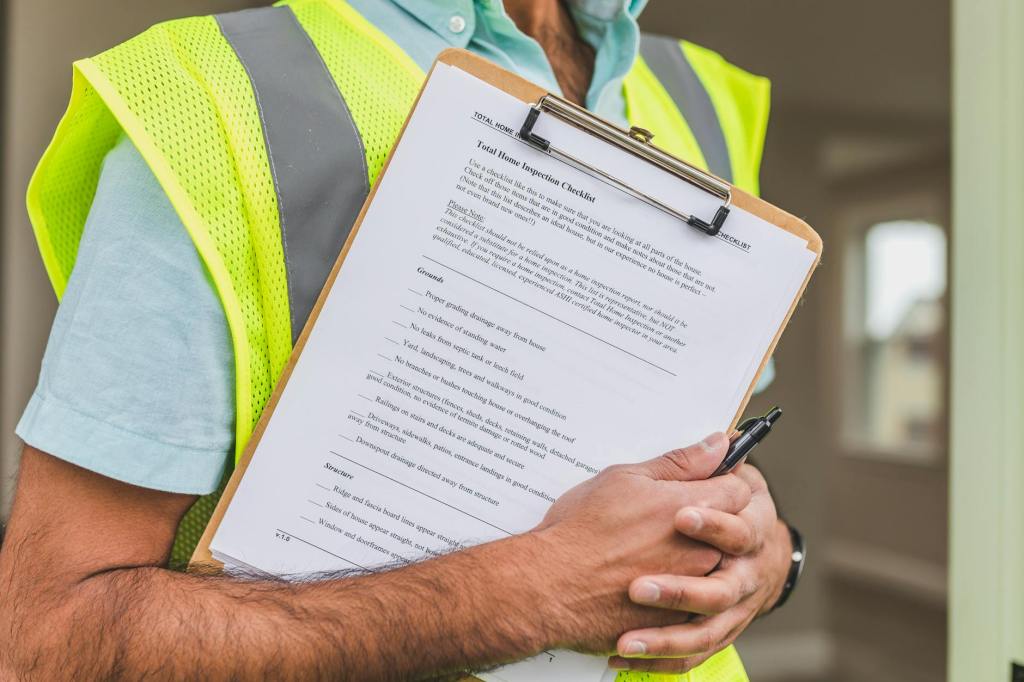
Especially in residential construction there seems to be an unfounded aversion to inspections and permits. Whether you’re doing the work yourself or having a contractor do it – the entire process ensures that the work is up to and following an ANSI standard. Sure, there’s horror stories about a dense inspector on a power trip. But you’re more likely to see a seasoned professional who’s intimately familiar with not just the code – but nuances to your specific region. We’ve found most inspectors and building departments to be helpful and excellent resources. All that to say – there’s no reason for an aversion or fear of your building department, codes, permits, or any part of the process. It is in everyone’s best interest that you utilize and follow the rules. Here are just a few reasons why.
Be Wary of a Contractor Who Won’t Pull Permits
- In most states, the way a contractor can protect themselves from non-payment by a homeowner is to place a lien on the property. And in almost every state that allows a contractor to place a lien – they have to first pull a permit. This means a contractor has no recourse for non-payment if they don’t first pull a permit. If a contractor is averse to pulling a permit – you should be concerned as to why.
- “Code” is not a building standard that we’re going to recommend building to. More often than not – “code” is a poor standard (think of it as the bare minimum to keep people from getting hurt). So when you hear a contractor tell you that, “building it to code is going to cost more” – that should tell you all you need to know about their work product.
Your Health and Safety
- The entire permitting process is in place primarily to protect the health and safety of building occupants. If someone doesn’t want a professional reviewing their work – you should be concerned why that might be.
Liability Down the Line
- Un-permitted work can show up in due diligence if you try and sell the home – requiring the work to be redone or inspected with significant fees to prove to both the buyer and lender it was done correctly.
 Pretty Good Builder
Leave a comment