
Building somewhere rural often has unique environmental challenges in addition to the extreme burden of trying to source a contractor or materials if things get damaged or begin to leak. We’re big proponents of metal roofing in every climate because of their long-term durability and energy efficiency. This guide is all about how to design and install an ideal cabin roof.
Cabin Roof Design
General Roofing Considerations
- Roofs and attics are key areas to harden a home against wildfire – review our guide on building in a wildfire area.
- Every penetration (pipe jack, chimney, skylight, etc.) is a potential vulnerability. A perfect roof would have zero penetrations.
- Roof facets, dormers, valleys, and crickets are all gathering places for ice, snow, leaves (fire!), and are a general liability. Moreover, roofs are often made more “complex” with visual appeal and zero functional need or upside. The perfect roof would be a steep gable (think a-frame).
- Low pitches (3/12 or lower) should be considered a flat roof and covered with TPO or similar. Better yet, avoid them in all but the driest climates.
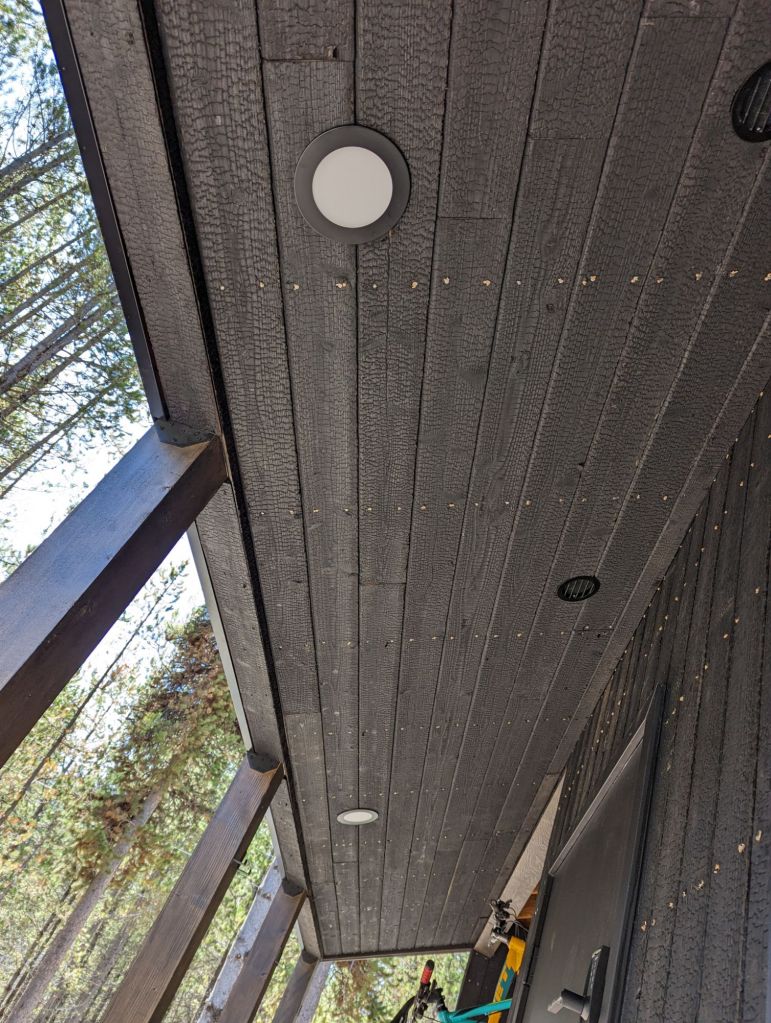
- Eaves can be helpful for protecting openings (windows and doors) and/or shading glazing. Consider whether to vent them (which is a wildfire hazard) and insulate them properly so the roof remains cold (avoiding ice dams).
- Roofs in snow country face extreme weather and heavy loads. Be sure to review our guidelines for roof construction in snow country.
Cabin Roof Installation
- Roofs on battens and/or a continuous insulation layer will help prevent thermal bridging.
- As alluded to above – eave construction is incredibly important. Do everything you can to maintain a “cold roof”. Assembly details on cathedral ceilings and other unvented roof assemblies are paramount.
- Again, if you’re building in snow country – be sure to review our guidelines on high snow load roofs.

 Pretty Good Builder
Leave a comment