
The electrical plan for your cabin or rural home build should take into account the unique challenges a remote home faces. This article applies to both those who are pursuing an off-grid and on-grid build – except backup power – which off-grid folks can easily gloss over below.
Electrical Design Planning for Rural Homes and Cabins
All Electric Home
- Let’s start with a plug to go all-electric. Designing and building a home that’s not dependent on fossil fuels is future-proofed regardless of where your power comes from, can be taken off-grid, is easily backed up, and is far better for the planet. Even an all-electric home connected to a grid powered by fossil fuels is cleaner than a home with fossil fuel-burning devices on site.
- Reduce the operational and embodied costs of your cabin by lowering the overall demand requirements through Pretty Good House building standards (i.e. air sealed, well insulated, etc.).
- Electrical requires multiple holes in your building envelope and areas of weakness for insulation (MDP, junction boxes, etc.). Have a plan for these to reduce or eliminate these weak points.
- Don’t let your connection to the grid be a liability or weakness. Regardless if it’s a code requirement – bury your connection to the grid (no aerial connections – no roof penetrations).
- Your build should be solar-ready – if not planned to have solar from the get-go. We cover building sites with solar in mind in our location buying guide. You can use this free tool to get an idea of what kind of impact solar can have on your power needs and location.
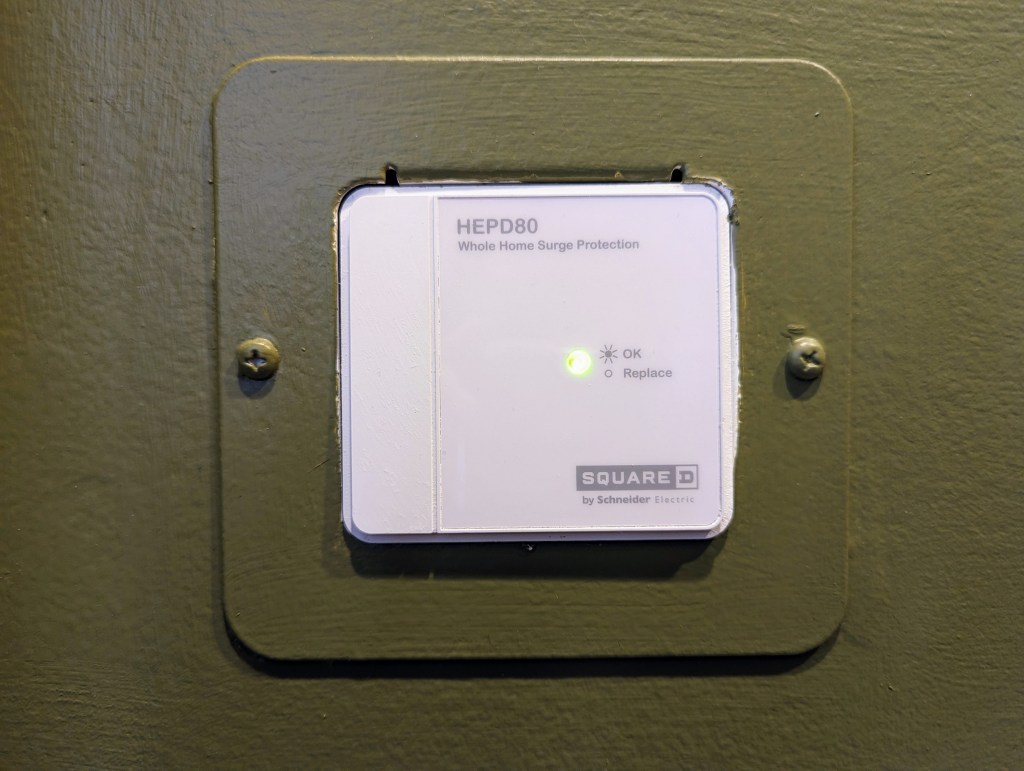
- Just about every appliance – and most of what you plug in – is a sensitive electronic. Consider whole home surge protection.
Electrical Fixtures for Your Cabin
- If you haven’t already, be sure to review our guidelines on choosing electrical fixtures.
- HVAC will be the largest power demand of the home – review our cabin HVAC systems guide.
- Appliances will be the next largest user of electricity in a home – review our guide on cabin appliances.
- HVAC and appliances are prime candidates to take advantage of tax credits and energy efficiency rebates.
- Living somewhere remote means you’re the guest and sharing the area with the wildlife that predates you. Minimize your presence by choosing dark sky lighting and placing outdoor lighting on timers so lighting is not left on overnight or longer than necessary.
- LED lighting is ubiquitous now – and mostly required by code. That said, there are a lot of LED fixtures out there that have non-replaceable bulbs or use a completely proprietary bulb system. Avoid these or buy extras now so you can replace them when the time comes.
- Take advantage of natural light through design – reducing your lighting need altogether.
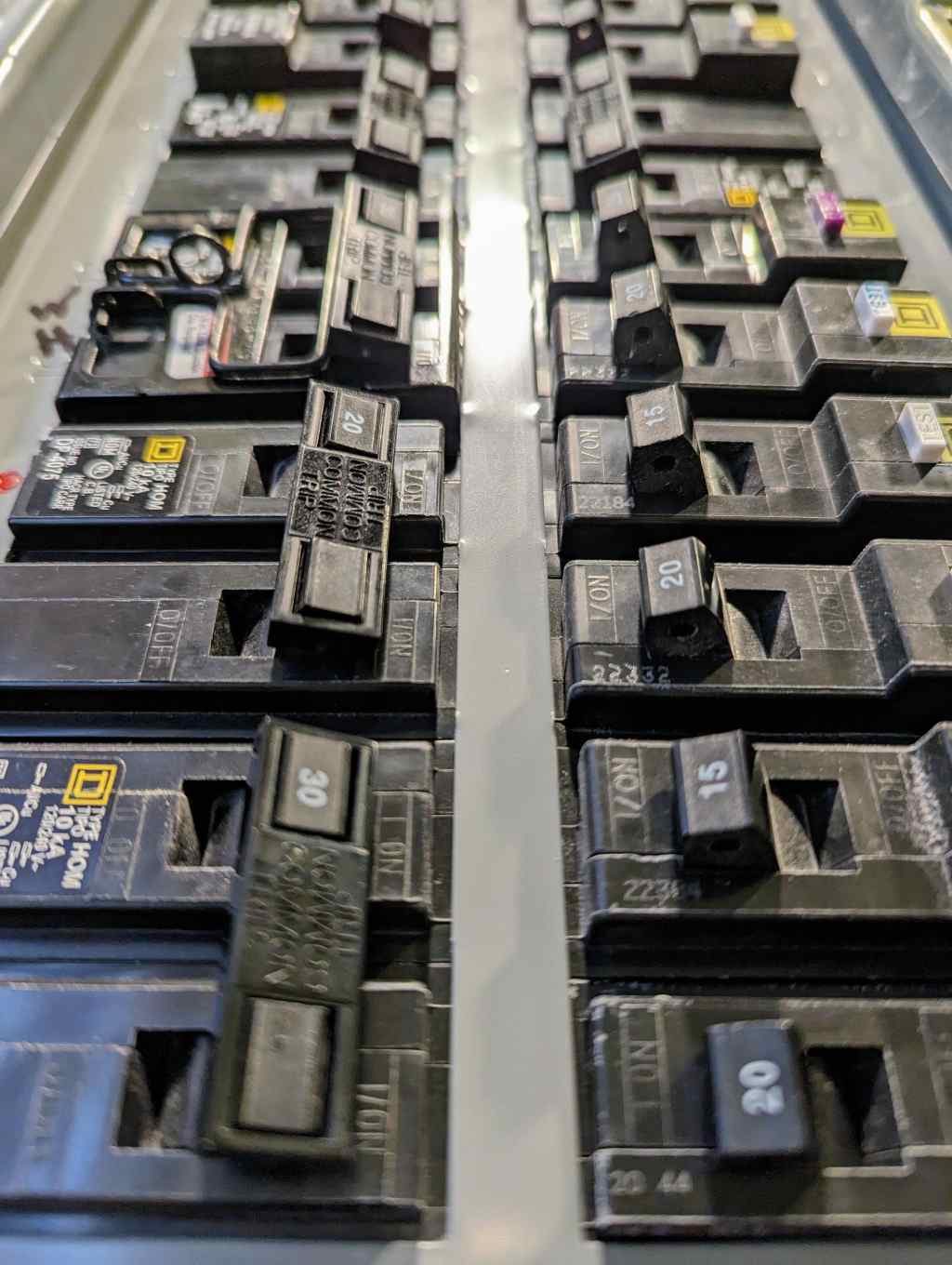
- Go to your closest place to buy circuit breakers and see what they stock, and then design your electrical system around that. If they stock Square D – then use Square D panels, breakers, surge protectors, etc.
Back-up Power
Rural areas are both typically more dependent on power – and the most likely to go without it for longer durations. Again, a belt and suspenders approach. For that reason, a backup power source should be considered – and even if not installed at the onset – designed to accept it down the road.
- Calculate the required loads (fridges, freezers, heaters, etc.) and determine what kind of backup power source applies to your build. Without a very large standby system – you’ll have to go without things like a range or HVAC system. Design that into your electrical plan. This is much easier to do at the onset than as a retrofit.
- Consider a power loss alarm connected to a battery backup along with your internet equipment. This will ensure that you get notified when the power goes out regardless of where you might be.
 Pretty Good Builder
Leave a comment