
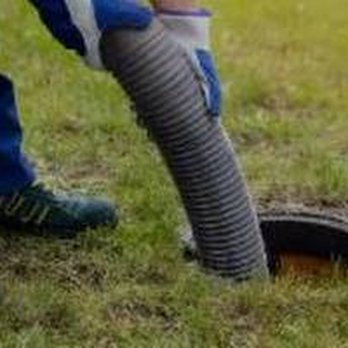
Being on a septic systems means you are your own sewage company. For that reason, that means it’s in your best interest to take good care of the system and your responsibility to do maintenance and repairs.
Septic System Care
You’re going to see a direct correlation between what’s good for the earth and your septic system. And because of that, it’s good for you too. See our guide on how septic systems affect your drinking water.
Use Water Efficiently
All the water sent down drains (not just sinks and toilets – but laundry, dishwashers, floor drains, etc.) goes into your septic system. The less water that’s used – the more efficient the system is processing waste. Side note, if you’re on septic, you’re probably on a well or cistern too. See our guide on well and cistern systems.
- Toilets typically make up for a quarter or more of household use. Use dual flush, high-efficiency models to reduce water use.
- Use faucet aerators and high-efficiency showerheads to reduce water use.
- Spread your laundry out over the course of the week to dilute water being put into the system (versus flooding it by doing laundry on the same day).
- Make sure you’re using the proper washing machine settings for your load (i.e. don’t do a small load on the machine’s large load cycle).
- Only run the dishwasher when it’s full to maximize loads and water usage.
- Choose a washer and dishwasher that’s Energy Star certified.
Properly Dispose of Waste
Septic systems use anerobic bacteria to breakdown and process waste. Anything put down a toilet or drain that inhibits that process is going to affect the health of your system.
- Avoid chemical drain openers for clogged drains (use a drain snake instead).
- Never put cooking oil or grease down the drain.
- Avoid using anti-bacterial cleaners. Instead use natural cleaners and natural detergents.
- Eliminate or limit the use of a garbage disposal. If you choose to use one, install one specifically meant to help with processing waste in a septic system.
Never put any of the below down your drain. And remember, anything that you put down the drain or on the ground is eventually going to end up in your drinking water.
- Cooking grease or oil
- Coffee grounds
- Paper towels
- Wipes
- Diapers
- Feminine hygiene products
- Condoms
- Floss
- Cigarette butts
- Cat litter
- Pharmaceuticals
- Household chemicals
Septic System Maintenance
Inspect and Pump Frequently
The average system should be inspected every three years – and pumped every three to five years. Inconsistent use (i.e. seasonally) and alternative systems (i.e. switches, pumps, etc.) should be inspected every year.

Maintain Your Drainfield
- Avoid any vehicle traffic over your septic line, tank, or drainfield.
- Pro tip – use berms, rocks, and/or landscaping to “fence” your drainfield from any undesired traffic.
- Do not build near or on your drainfield.
- Do not plant trees, shrubs, or gardens (for consumption) in your drainfield and keep them an appropriate distance away. The distance will vary by system – consult an installer on your specific system.
- Keep roof drains, sump pumps, and other drainages away from the drainfield. Excess water slows or stops the treatment process.
 Pretty Good Builder
3 responses to “Septic System Upkeep”
[…] our guide on septic system upkeep on […]
LikeLike
[…] Since you own your own water source – it’s in your best interest to preserve it. One way is to control what you put down the drains – have a look at our septic system care guidelines. […]
LikeLike
[…] addition to preserving your well or cistern, it’s also better for your septic system. See our guide on septic upkeep for more […]
LikeLike