
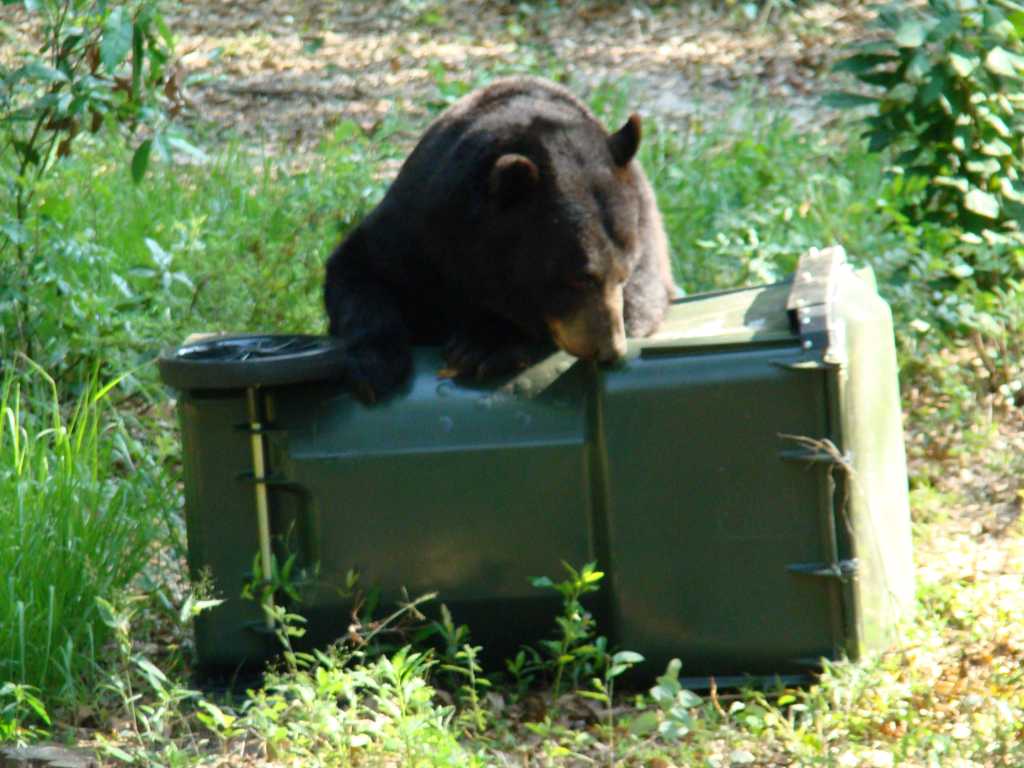
There’s a sign hanging in our neighborhood mailbox shelter that reads, “Guests, you are in bear country.” And the reality is for the vast number of cabins and rural homes – you too are guests. There’s a lot to consider when building somewhere where humans are vastly outnumbered to be both a good neighbor and for everyone’s safety. Here’s how you can help protect wildlife.
Wildlife Design for Cabin and Rural Homes
Be a Good Neighbor
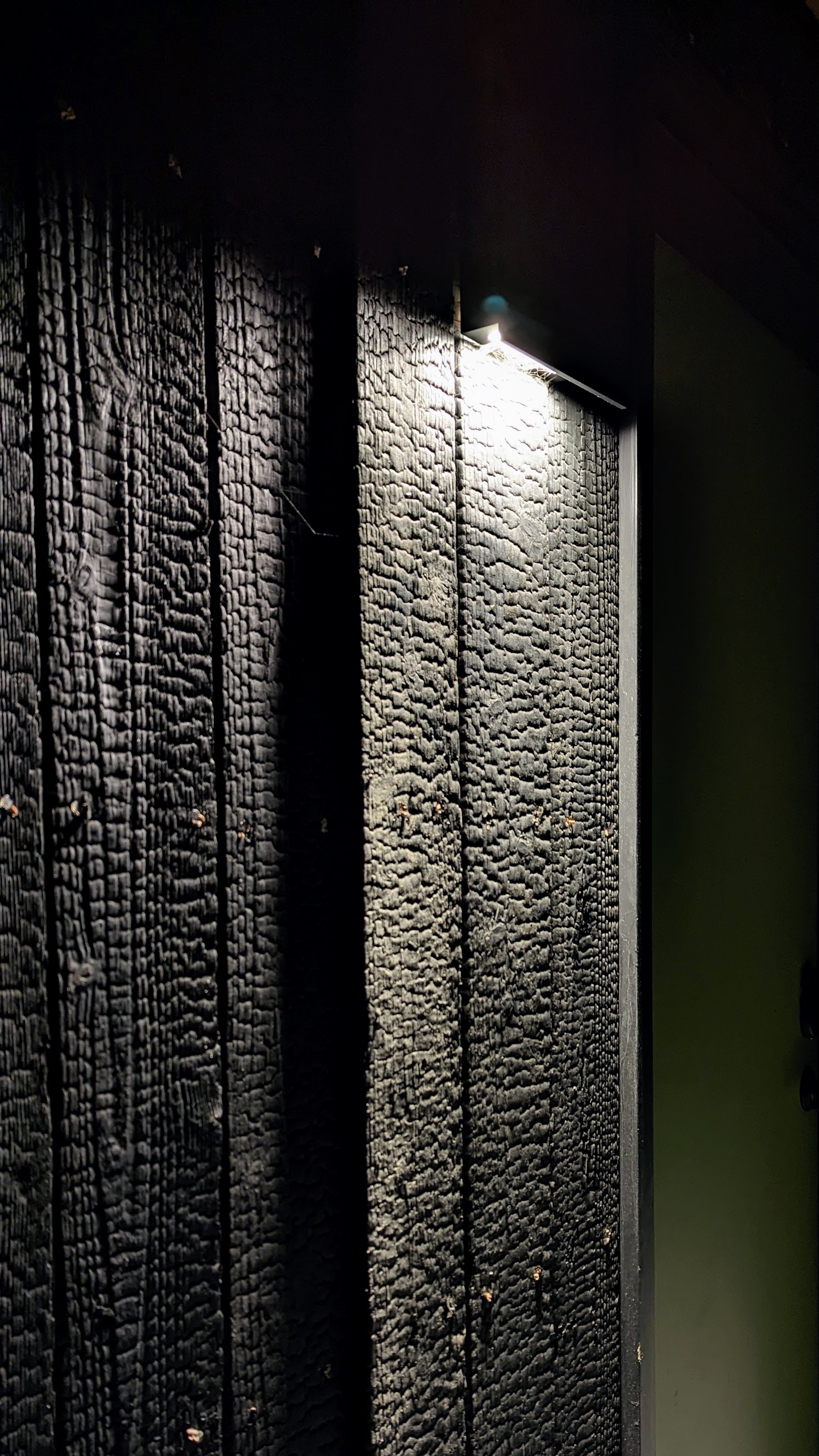
- Minimize your presence by choosing dark sky lighting. Light pollution has been shown to have a detrimental effect on insects, birds, bats, and other creatures.
- For the same reasons, place outdoor lighting on timers so lighting is not left on overnight or longer than necessary.
Animal Proofing
The adage, “fences make good neighbors” applies here. Don’t create an inviting habitat with your cabin and you can easily avoid undesirable interactions with wildlife. There are three elements all living things depend on – food, water, and shelter. Design each out of your cabin build.
Food
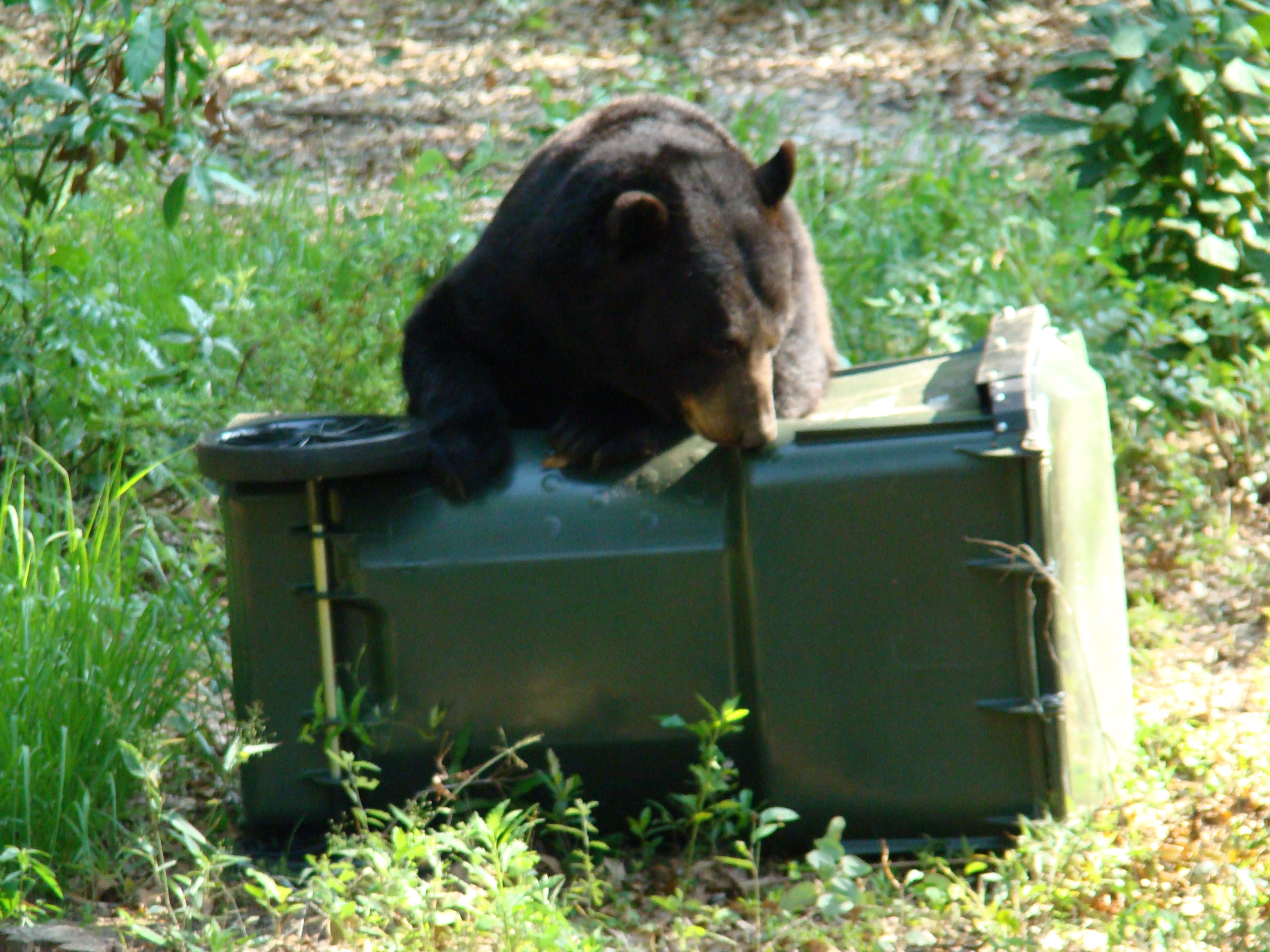
- Trash is an attractant and if stored incorrectly a food source. This is incredibly important in bear country. Food-conditioned bears are the number one reason bears are euthanized. Trash should ideally be stored inside (like a garage). If it is stored outside – it should be placed in a wildlife-resistant container. Bear-proof trashcans work wonderfully for other animals too (raccoons, rodents, etc.).
- Bar-b-ques, smokers, and other outdoor cooking equipment are also attractants. The best option is to use mobile equipment that can be stored indoors (like a garage) when not in use. If that’s not possible, consider enclosures (like a locker) that keep wildlife out.
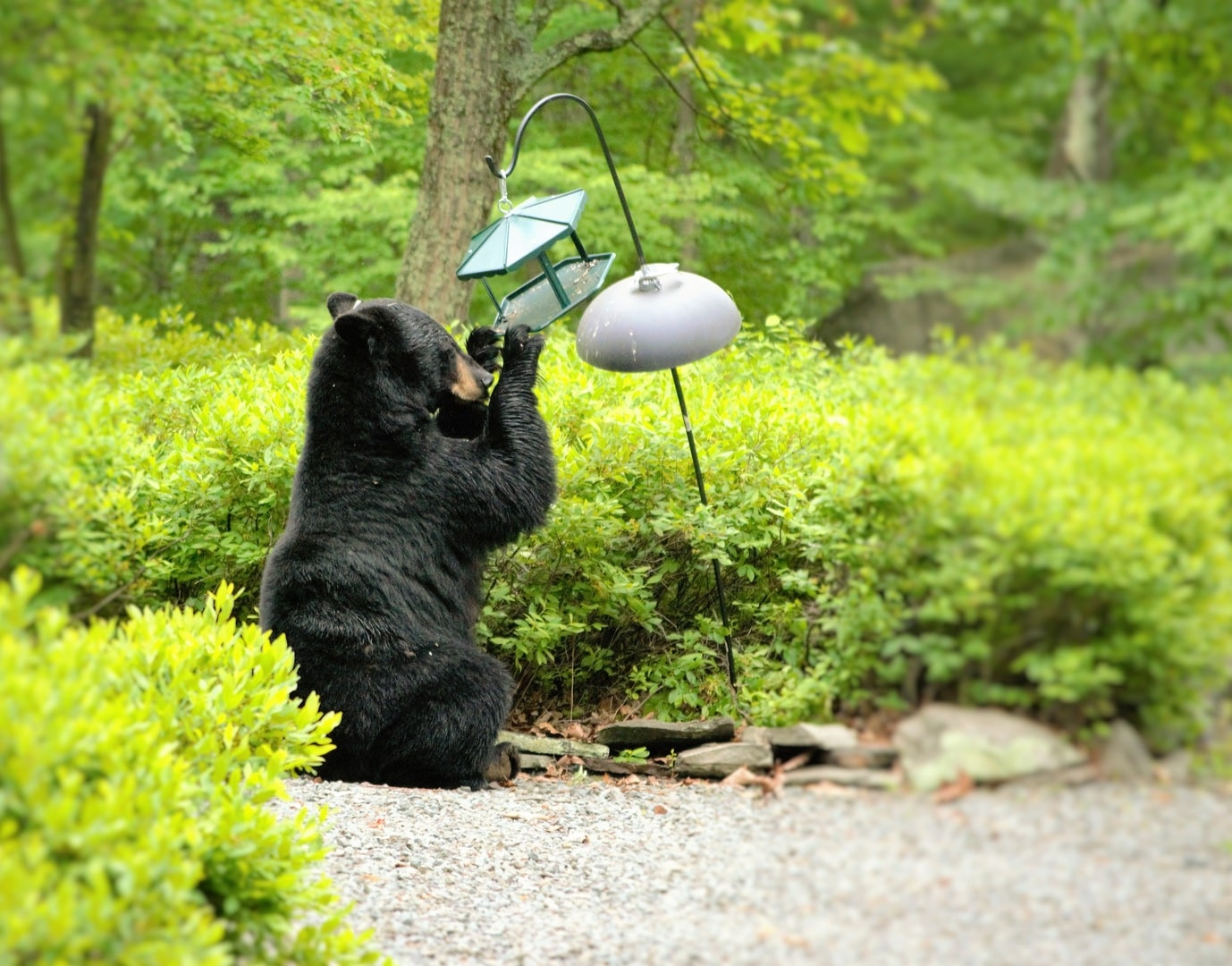
- Bird feeders will attract all sorts of wildlife – not just birds. In areas with bears – this can be particularly dangerous. Forego bird feeders altogether.
- Compost can be a great option to reduce your refuse and take a load off your septic system. However, it can also create a wildlife attractant. This is a hard one to secure – so unfortunately it likely should be avoided altogether.
- Gardens can easily be seen as a buffet to neighboring ungulates, birds, and rodents. The best option is to do your gardening in a sturdy greenhouse. If that’s not possible – and depending on the wildlife in your area – you may be able to get away with raised beds, nets, and fences.
- Hobby farms – like chickens and bee hives can also be an open invitation to unwanted visitors. Electric fences or forgoing them altogether are both options.
Water
One type of wildlife no one wants around is mosquitoes. The best way to reduce mosquitoes in your neck of the woods is to prevent any kind of standing water from developing.
- Your site plan should have excellent drainage.
- Lagoons and other required standing water for your build should be placed as far away as possible.
- Avoid gutters since they can easily pool water, if not for the wildfire and snow reasons too.
Shelter
- Avoid decks – same as our wildfire guide. If it’s unavoidable – ensure deck(s) and/or stair(s) are fully skirted to keep out debris, embers, and wildlife.
- Exposed trusses and soffits look great not just to you – but as nesting places for birds and insects. Again, not just for wildfire reasons – avoid ventilated soffits and exposed trusses.
- Follow wildfire guidelines for siding and roofing. If it keeps out embers – it’ll keep out wildlife too.
How to Minimize Wildlife Impact During Construction
It’s probably impossible to avoid interrupting wildlife to build a cabin or rural home. You can, however, do a lot to help minimize your change to the landscape.
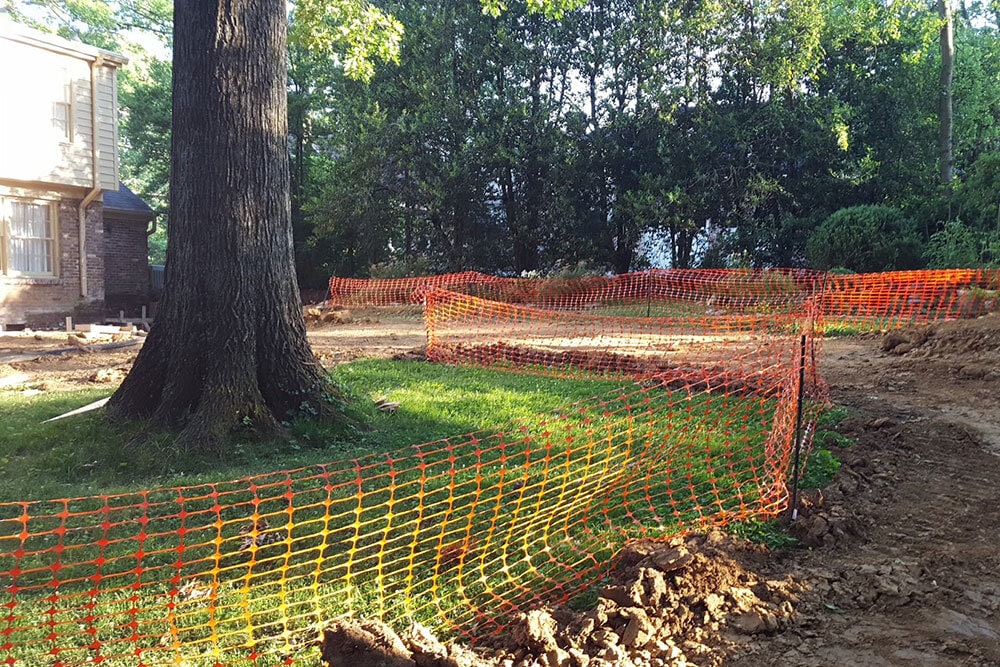
- Carefully review your land and site plan for ways to minimize the building’s impact. Follow local rules around setbacks and green space.
- Use temporary fencing to mitigate soil compaction during construction in areas that won’t become part of the foundation, a deck, or a driveway. This is particularly important around trees you want to keep.
- Keep construction trash separate from household trash. This should allow you to secure household trash from wildlife and maintain it at a more regular cadence.
- Get temporary power onsite first thing to avoid the use and need of generators that create a lot of noise pollution and emissions.
- Even temporarily – enclose spaces as soon as possible. It’s shocking how quickly something might move in.

 Pretty Good Builder
Leave a comment