
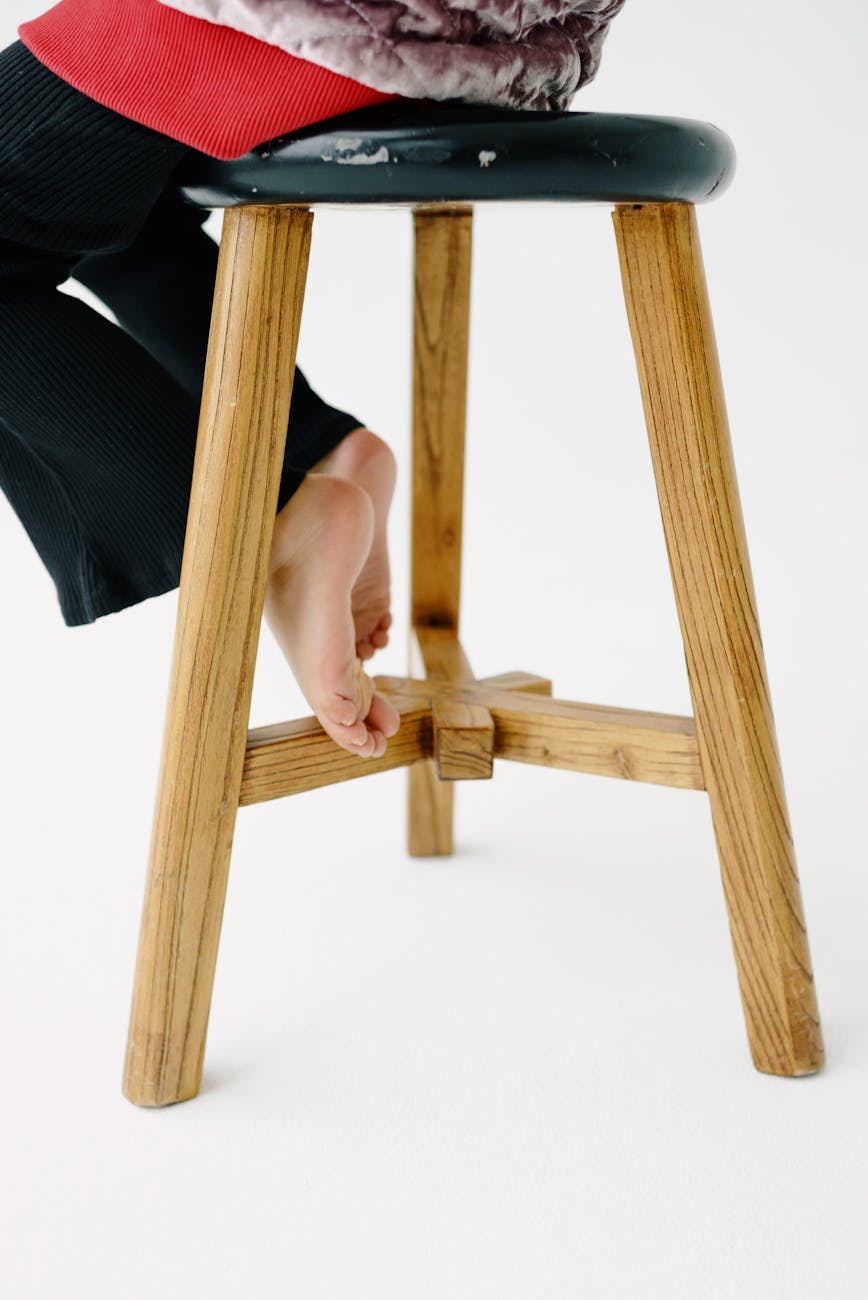
The Pretty Good House says that building a house requires a team with three parts – like a stool. And that each leg needs to be there in order for it to stand-up. Those three legs are the client, the design team, and the build team.
Unfortunately, but more often than not, when it comes to cabins the design team leg is greatly lacking or missing. Cabins often end up being built from purchased plans or kit homes. Both of which leave the client with unspecific, boilerplate plan sets that work in every jurisdiction across the country and don’t offer remotely enough detail to bid off of. If you’re using purchased plans or a kit – read this guide.
Prerequisites to Finding a Builder
I mention that because the first step in choosing a builder is making sure you’ve met the prerequisites. That means:
- You have a lot/land purchased
- You have a complete plan set
- You have an architect, design team, or similar to answer Requests for Information (RFI)
- You have a budget in mind and the means to finance it
Don’t have all those? While the first is pretty self-explanatory – the next two mean I’d either limit your search exclusively to design build firms, find an architect to partner with, or engage an owner advocate or construction consultant (like me).
A design team will work with you to ensure the design meets your budget requirements so you begin choosing a builder with rough numbers in mind.
In short – the prerequisites to choosing a builder are that you already have the other two legs of the stool (client and design team).
Considerations on Choosing a Builder
Don’t Focus on Price
The reality is that the way most builders price things – any profit in a bid for the builder is going to come out incredibly close to the same.
- Where bids vary widely is what assumptions a builder makes and what their grade and quality standards are. This is another reason to have design done ahead of time to solidify all the details and bring bids closer to apple-to-apple comparisons. Don’t let each builder guess which cabinets, countertops, or wall assemblies they’re bidding on.
- Speaking of standards – tell builders where they have to make assumptions – to bid it like it’s their own home or someone in their family. Afterall, this is your home.
- Ask where they’re buying materials. Are they using authorized dealers for all your plumbing and electrical fixtures? Amazon is not the answer you want to hear.
Ways to Evaluate a Builder
- How easy are they to communicate with? Do you have to hound them? Is their voicemail always full? You need to remember that this is the honeymoon stage and working with someone you can communicate with for the next year or longer on probably your biggest financial purchase of your life is going to determine a lot about your stress and happiness.
- Ask to visit a job site – not a finished home. Take note of how organized or disorderly the job site is. Is it clean? Are there cigarette butts, empty bottles and cans, and food wrappers in places besides a dumpster? Is the dumpster overloaded? The Broken Window Theory is a real thing and it affects both how clean each trade is on the job and the quality of work they do.
- While on site ask questions about “why” they’re doing something one way or another (i.e. Why are you flashing the windows/doors like that? Why are you using this wall assembly?). While the answer’s content might be over your head – you’re looking to see that there’s a thoughtfulness in their response. That things are done with intent and not because, “I’ve always done it that way.”
- Ask for references. Sure they might only provide good ones – but that means they have them! You’ll also be surprised how candid references can be. Besides customers – consider asking for sub-contractor and vendor references. A builder is the quarterback of a team and they can’t do their job without all the players being on board.
- Related to references – ask for examples that are similar to your project. Have they ever worked with logs, a kit, CLTs, etc. before? Do they have example of modern details, flat roofs, or anything else that’s outside of “normal” for your planned build?
- Ask if they’ve ever been in a lawsuit. The reality is that most good builders have – and this shouldn’t and isn’t a disqualification. Instead, focus on their emotional response in how they talk about it. You want builders that feel like getting to the point of a lawsuit is an absolute failure and a no-win scenario for everyone (because they are).
Matt Risinger has a quick video on twenty questions on how to choose a builder that’s also worth a watch. If you more questions or are looking for an owner advocate to help guide you through the process – don’t hesitate to reach out.
 Pretty Good Builder