
Cabins experience extreme weather, remote locations, and natural disasters that are all atypical of your average home. Designing your cabin around a siding material is an important step with a lot of benefits.
Cabin Siding Material and Design
Cabin siding design is a yin-yang of the design itself. Certain materials lend themselves to designs while others do not. What you want to avoid is the square design (hole) and round material (peg). Because the material itself guides design decisions – we’ll first look at selecting a material.
Siding Maintenance
We’re starting with cabin siding maintenance because it should be a guiding factor to what material you choose and how it’s installed. Whether you plan to hire the maintenance or do it yourself – both are made more complicated and costly by building in a remote area.
- Finishes that must be painted, stained, and/or chinked – although very popular – are not great options for this very reason. They require regular and frequent maintenance.
- Do not paint finishes that don’t require it (stucco, brick). You’re not only turning a maintenance-free product into one that now needs maintenance – but these materials need to breathe and you’ll be shortening their life.
- Consider how the product will age. Composite materials will often look “old” while natural products often develop a maintenance-free patina.
- There’s a very good chance you’ll have the threat of wildfires – which means you should limit your search to fire-resistant products.
- There’s also a very real possibility you’ll have issues with wildlife. Siding that can harbor bees, bats, or insects can also attract things like woodpeckers. In warmer climates – avoid materials that are going to attract termites.
- How is the material repaired? Is it difficult to obtain? Will it match?
- If you’re in snow country – consider how the material is going to hold up to having snow and ice up against it for months at a time. Will it become brittle and easily shatter when cold (like vinyl)?
- If you’re somewhere hot – consider how the material will hold up to the baking sun. I’ve literally seen vinyl siding that melted in the sun.
Siding Material
With maintenance considered – you hopefully have a pretty short list of remaining options. Here are a few things to consider – and maybe some materials you haven’t considered.
- Local rot-resistant wood shortens the length of the supply chain, supports the local economy, and usually lowers the material’s overall embodied carbon. Species may include cedar, hemlock, red cedar, cypress, or redwood.
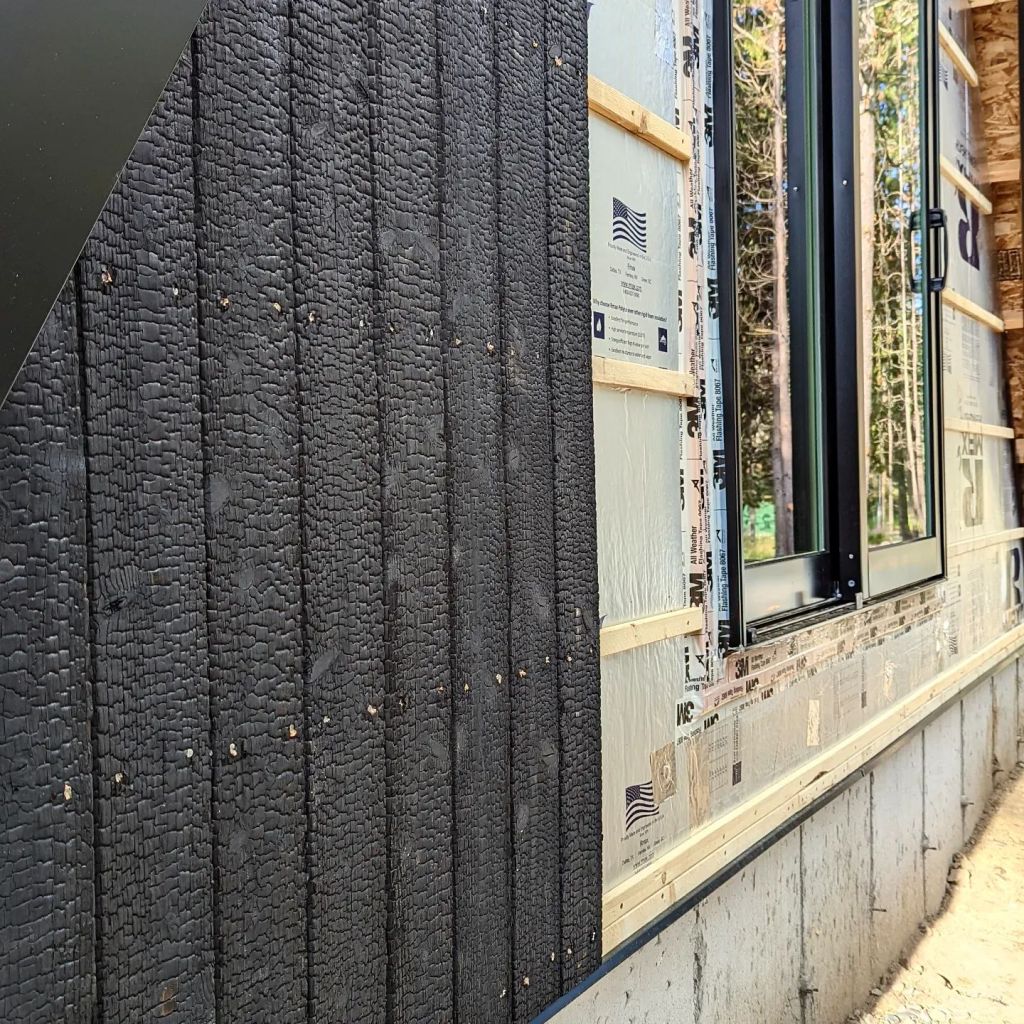
- Thermally modified wood (like shou sugi ban) has most of the benefits of the above – along with a maintenance-free finish, higher fire rating, and is substantially more resistant to decay and pests.
- Acetylated wood is treated with a non-toxic vinegar that makes it more resistant to rot and pests.
- Fly-ash polymer is a composite that resists decay and pests.
Cabin Siding Installation
How you install siding can have a huge effect on its durability and longevity.
- You should absolutely follow the manufacturer’s installation guides; but where available, consider installing siding on battens (like a rain screen). The air space between the WRB and the siding keeps the siding material drier and creates a thermal break.
- Consider the skills and tools required for proper installation. For example, even in cities fiber cement board is installed incorrectly all the time. Unapproved power tools and clouds of silica dust are unfortunately commonplace.
- Some materials handle thermal expansion better than others. Consider your climate and refer to install guides.
- Consider all the details (wraps, corners, frieze boards, etc.). How will it all come together? Do you need to be able to miter the material? Rip it? Will it require special flashing or finish details? Are these easy to obtain (can order or pick-up a small quantity)?
- A lot of materials need to acclimate on site before they can be installed. Consider how and where you may be able to accommodate this.
- Does the material need to be finished (i.e. painted) once installed? If so, consider how quickly this can happen to prevent damage.
 Pretty Good Builder
Leave a comment