
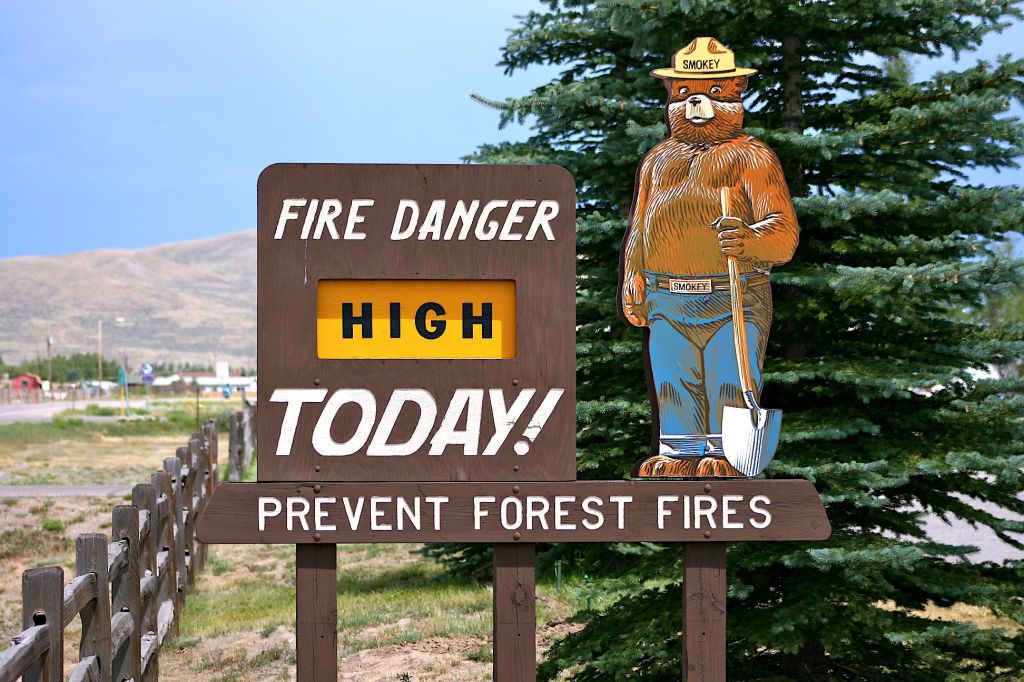
Building in a rural area goes hand-in-hand with wildland fire danger (whether forest or brush/grassland) – thus using proven wildfire hardening construction methods is critical. Below is a list that we’ll reference across the site – but there’s already a host of great resources online to review.
Wildfire Resources
Wildfire Construction Guidelines
Placement on Lot
- Avoid sites along a gully, narrow canyon, saddle, narrow mountain pass, and steep slopes.
- Maintain defensible space (see Resources above) – and increase perimeters with heavier fuels (forests). The best defensible space is made up of vegetation that’s:
- Drought-resistant
- Pest-resistant
- Native to the area
- Noninvasive
- Slow-growing
- Wind-resistant
- Sustainable without supplemental fertilization
- Place narrowest aspect of home towards prevailing winds and/or most likely path of wildfire to reduce chance structural ignition. The same aspect should minimize the number of openings (vents, windows, doors).
- Ensure the driveway and gates can accommodate fire fighting equipment and there’s somewhere to turn-around.
- Ensure the address is clearly visible from the main road.
Attic Ventilation – Eaves & Soffits
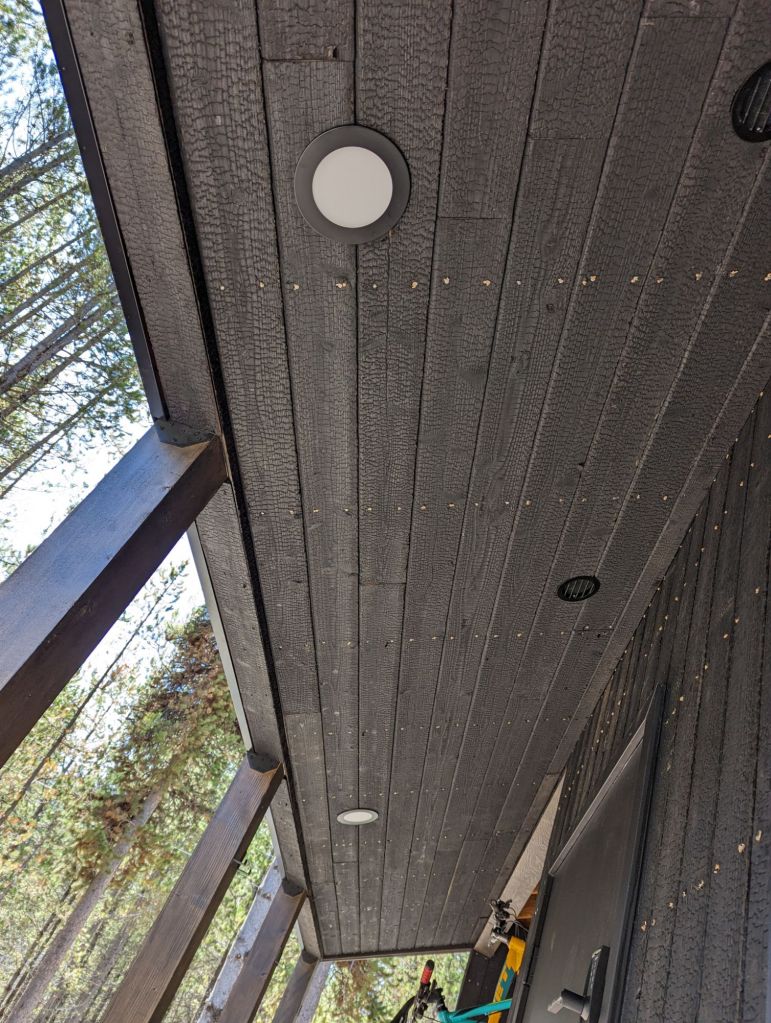
- Design out attics altogether to avoid the need to vent unoccupied space (attic, soffit). If you must have attic ventilation – use ember and flame-resistant vents.
- Use Class A-rated materials (metal, fiber cement, heat-treated lumber).
Chimney
- Use a chimney screen to avoid releasing embers from your stove.
Decks
- Use heavy timber or noncombustible materials.
- Screen or box-in areas below decks to prevent accumulating debris (and wildlife).
Fences
- Use noncombustible materials near home.
Garage
- Install weather stripping and door sweeps on garage doors to prevent embers from entering.
Gutters
- Design drip lines to avoid the need for gutters altogether. If they must be used, use covers to avoid the accumulation of fuel and clean them often.
Roof (porch, patio, and other coverings)
- Use Class A-rated roofing materials (like metal).
- If voids are created (like tile) – close with bird stop.
- Be sure to check out our other cabin roofing advice.
Siding
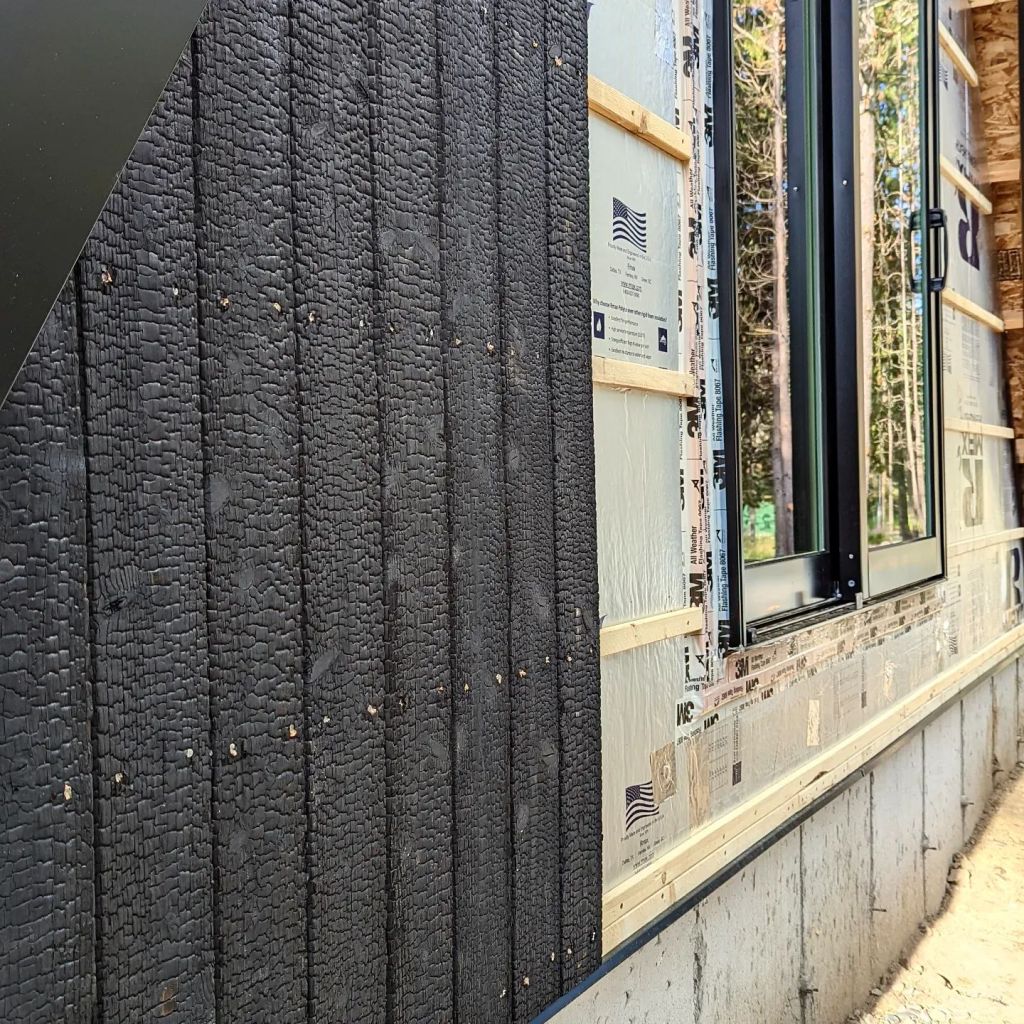
- Use Class A-rated materials (masonry, fiber cement, heat tread lumber).
- If installing with a ventilation gap (rain screen) – use screening to keep embers and bugs out. Also consider a non-flammable WRB (like foil).
- Be sure to check out our other cabin siding advice.
Windows & Doors
- Use fire-rated or solid wood doors. See our guide on cabin exterior doors.
- Avoid vinyl windows or reinforce them appropriately.
- Windows should be double-pane and tempered.
- See our guide on cabin windows.
Water
- Have multiple outdoor water sources with 100′ of garden hose attached.
- If you don’t have a fire hydrant or well, pond/lake, or stream – consider a swimming pool or cistern to help with fire suppression.

 Pretty Good Builder
Leave a reply to Hello, World. – The Pretty Good Builder Cancel reply